

To photograph vintage clothes for resale, make the first image brutally clear: garment shape, true color, and condition. Then use detail shots to remove doubt: label, fabric, measurements, flaws, texture and closures. Buyers do not need a perfume ad. They need proof. Good photos reduce questions, support price, and make offers easier to accept because the buyer knows what they are buying.
Use a cover a buyer can read on a phone
Lay the garment flat, hang it or use a mannequin with even light. Keep the whole shape visible and the background quiet. For a coat, show its length and silhouette; for jeans, do not crop away the cut you named in the title.
A quick test: make the image small. If you cannot tell what the garment is, a shopper scrolling past will not get a better view by magic.
Shoot proof as well as a cover
The cover earns attention. The remaining images should answer the questions that stop someone buying. Take this set before putting the garment away:
| Photo | What to include | Buyer question answered |
|---|---|---|
| Front and back | Entire garment in consistent light | What shape and color will arrive? |
| Brand and size tag | A readable close-up of the actual tag | What is it and what size is tagged? |
| Measurements | Tape placed flat at the relevant points | Will it fit? |
| Fabric and construction | Care label and useful detail | What is it made from? |
| Wear or damage | A direct close-up plus its position | What condition am I buying? |
An Image+ example: compare, then choose
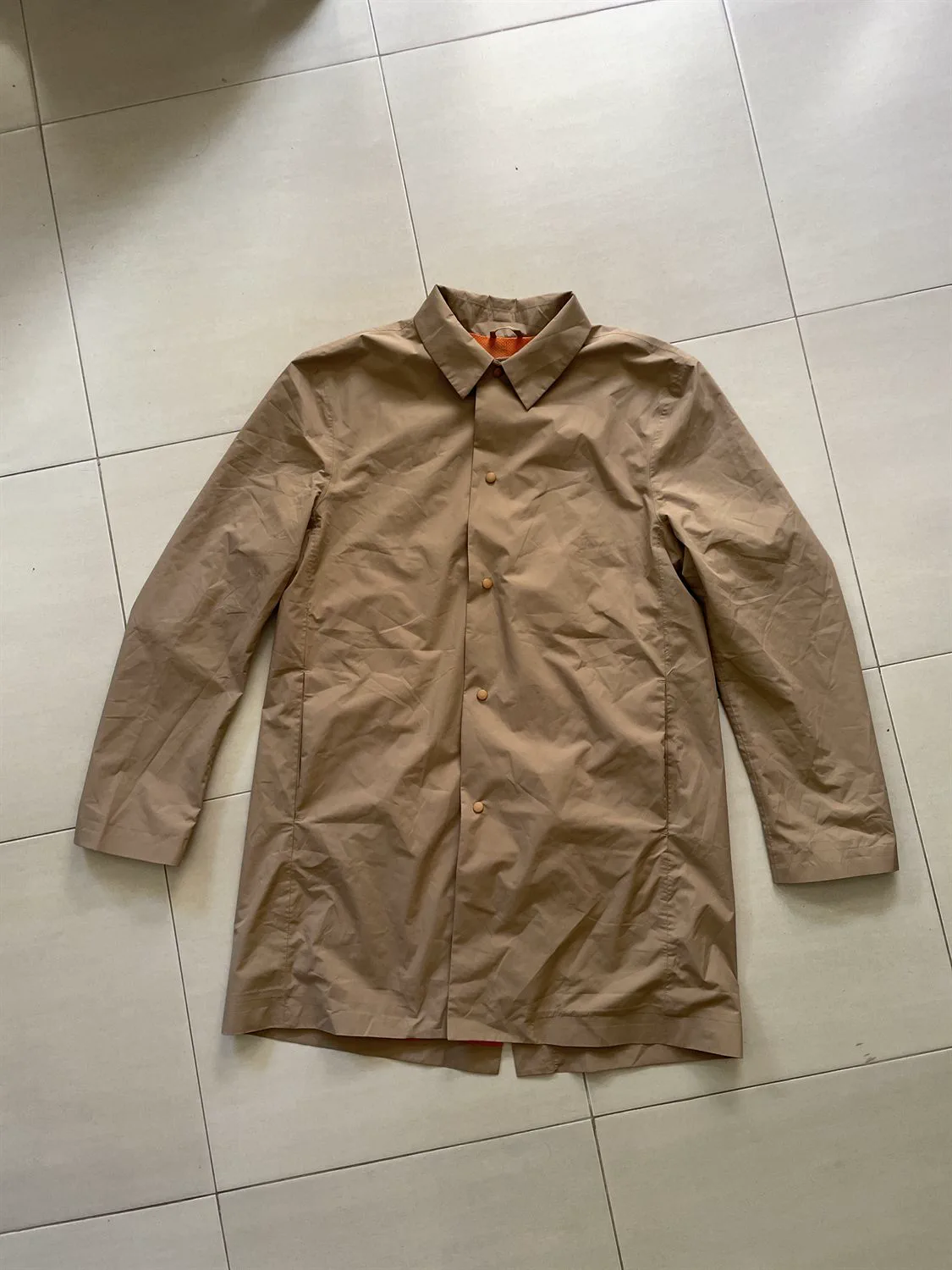
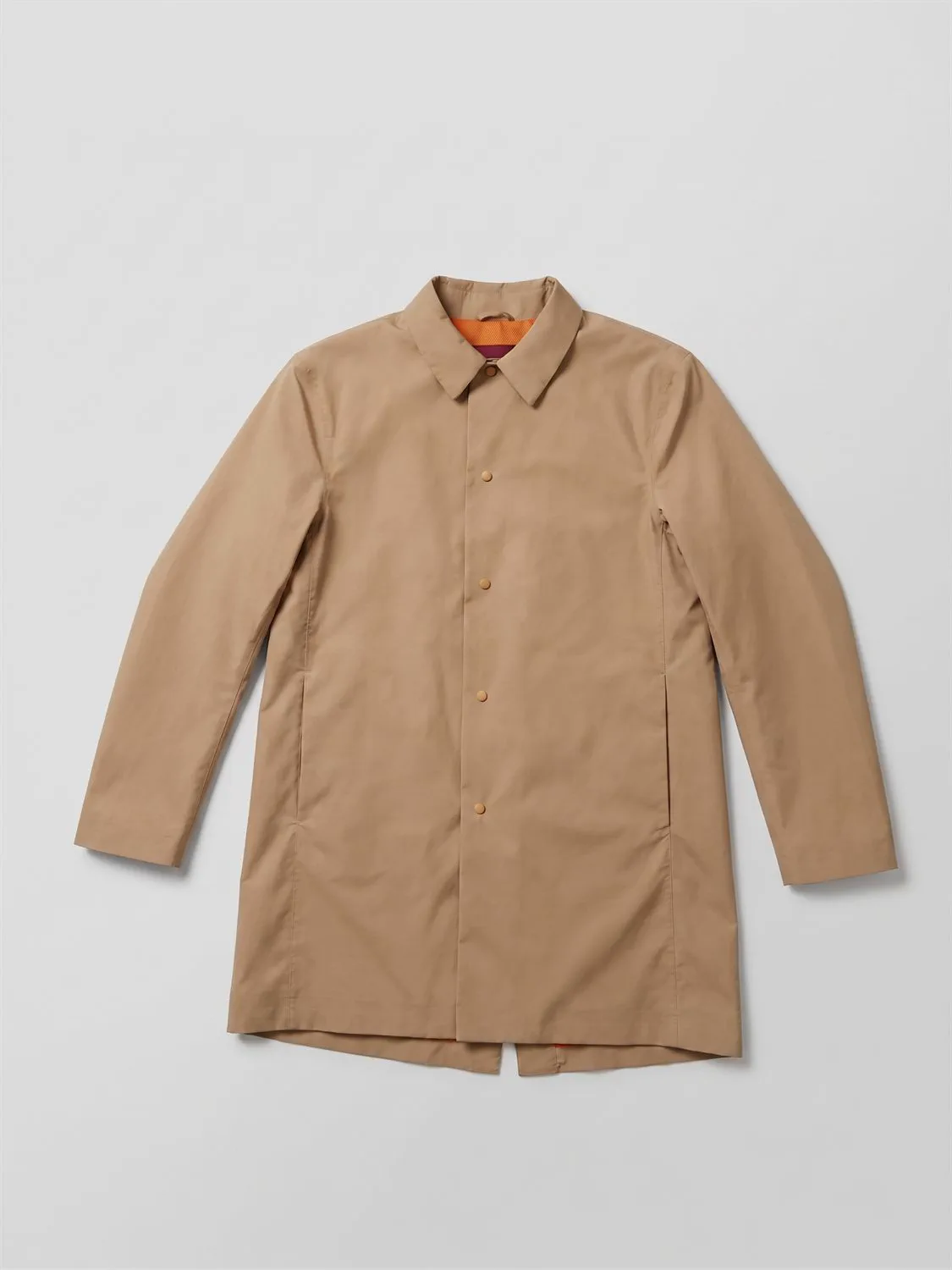
The pair below is a VintHelper product demonstration: the original coat photo and its edited presentation. Use the comparison to inspect lighting and background, then check that the garment's shape, color, hardware and wear still match the original.
Keep your proof photos even when you improve the cover. A clean background does not replace the photograph of the label or a flaw.
Keep the garment truthful
Correcting presentation is different from changing the item. Keep its actual color, marks and proportions. If the result removes a real flaw or changes a detail, do not use that result to represent the garment.
Vinted's US guidance requires accurate photos of the actual item. A stock image or an attractive generated replacement is not proof of what you are selling.
Finish the set before writing the description
Use the photos as a checklist: confirm the brand, size, fabric and condition in the listing fields, then add the measurements the tag cannot explain. You will answer fewer repetitive questions when the same information agrees across photos and text.
Give the image files or item folder the same SKU as your inventory record. You should be able to find the original set again without remembering which afternoon you shot it.
FAQ
What is the best background for resale clothing photos?
A clean, low-distraction background that keeps color accurate and makes the garment shape obvious.
Should vintage sellers use measurements in photos?
Yes, especially when vintage sizing may not match modern sizing.
Can AI improve clothing photos for resale?
Yes, if it improves clarity without misrepresenting color, flaws or condition.